
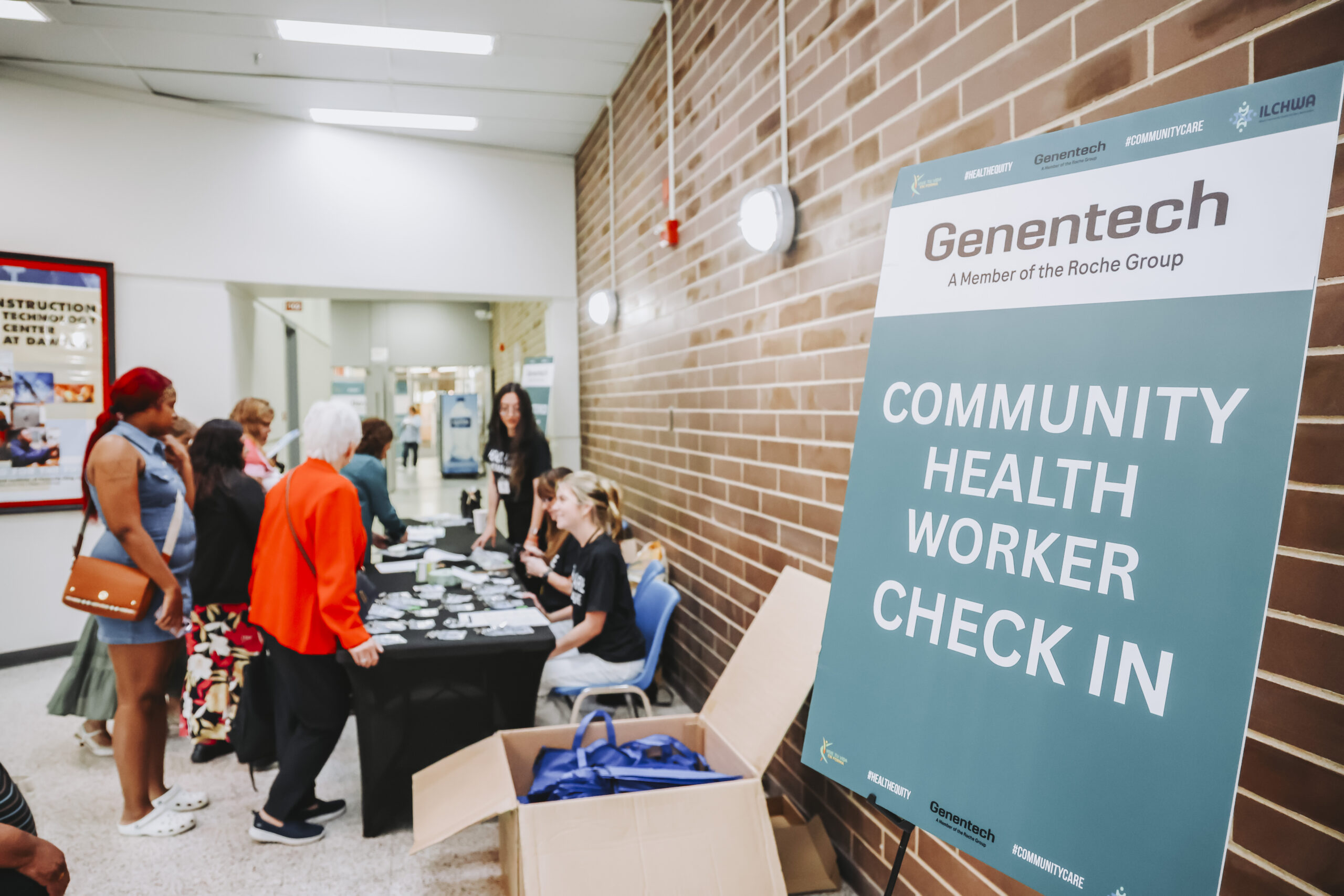
CHICAGO — A national coalition of Community Health Workers (CHWs), healthcare leaders, public health advocates, and policy experts gathered on Chicago’s South Side on May 30, 2026, for the Community Health Equity & Workforce Exchange — a first‑of‑its‑kind summit designed to elevate frontline workers and strengthen the nation’s health equity infrastructure. The event, titled “Frontline Voices: Where Care Begins,” was held at Dawson Technical Institute and brought together approximately 120 CHWs and Promotores de Salud alongside hospitals, nonprofit organizations, educators, and elected officials.
The summit was strategically scheduled during American Society of Clinical Oncology (ASCO) Weekend, when thousands of oncology and healthcare professionals convene in Chicago, creating a rare opportunity to bridge clinical medicine with grassroots community engagement. Organizers said the timing was intentional: to ensure that the lived experiences of frontline workers were part of the broader national conversation on cancer care, chronic disease, and health disparities.
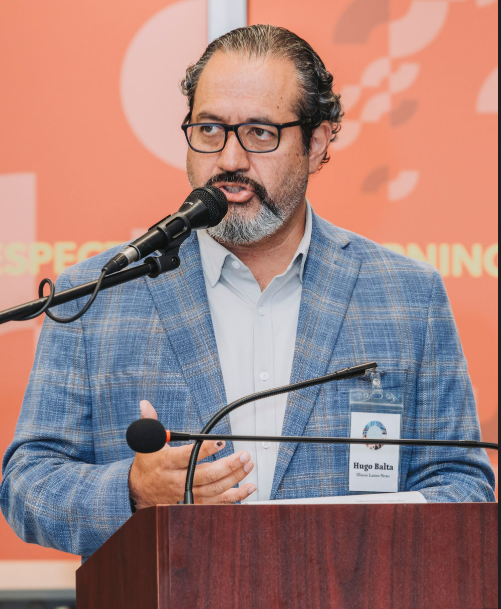
Hugo Balta, Publisher of Illinois Latino News (ILLN), helped open the event, emphasizing the shared mission that brought such a diverse coalition together. “Today, we gather with a shared purpose: to listen, learn, collaborate, and strengthen the future of healthcare in our communities,” Balta said. He highlighted the essential role CHWs play in bridging cultures, languages, and systems, adding that the summit was an opportunity “to elevate their voices, learn from their experiences, and build stronger partnerships that improve access, trust, and health outcomes.”
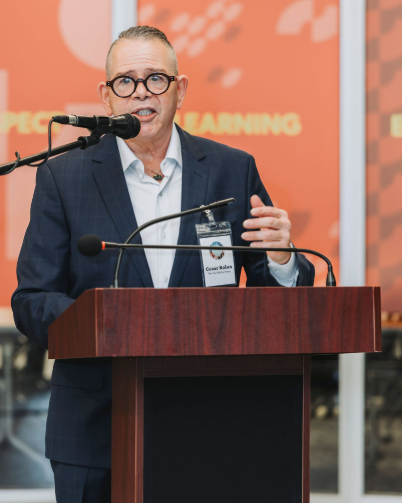
Cesar Rolon Jr., President of Vive Tu Vida En Forma and a lead organizer of the summit, echoed that message. “Community Health Workers are no longer simply support staff — they are essential infrastructure,” Rolon said. “This exchange was created to elevate their voices, honor their work, and create direct conversations between institutions and the communities they serve.”
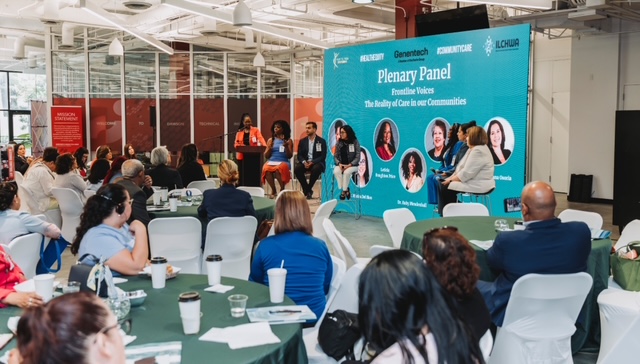
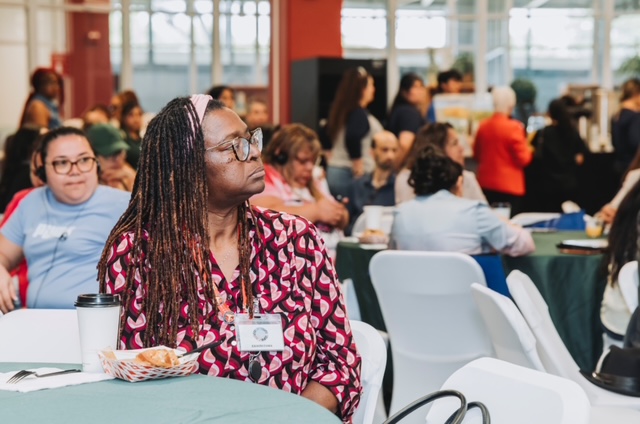
The event featured panel discussions, educational tracks, and networking sessions focused on culturally competent care, community‑centered health strategies, and the long‑term sustainability of the CHW workforce. Participants explored the role CHWs play in navigating cancer screenings, diabetes management, mental health services, and preventive care — often bridging cultural, linguistic, and systemic gaps that traditional healthcare systems struggle to address.
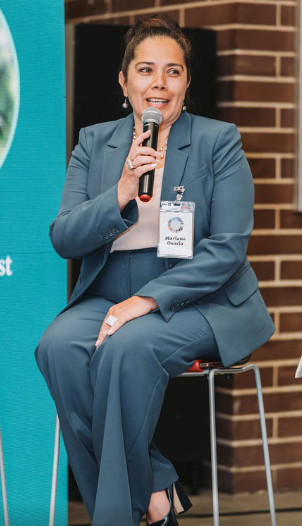
During the plenary panel “Frontline Voices: The Reality of Care in Our Communities,” Mariana Osoria, Chief Executive Officer of Gads Hill Center, underscored why CHWs are uniquely positioned to build trust in communities that have long faced fear, stigma, and systemic barriers. “Community Health Workers, because they are often from the same communities and have lived the same experiences, provide a level of peer support that makes people feel safe,” Osoria said. She noted that CHWs’ shared backgrounds allow them to connect in ways traditional providers often cannot. “It is a very special role because you are coming from those communities. You have a deeper understanding,” she added, emphasizing that many patients feel more comfortable opening up to someone who won’t judge them — a dynamic she said is essential to improving health outcomes.
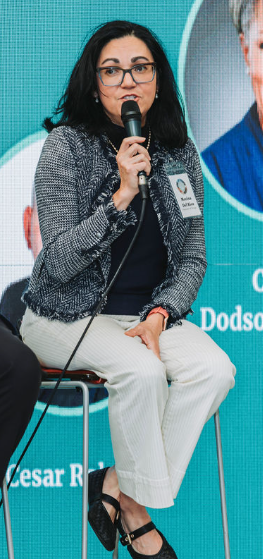
Mariana Del Rios, a physician‑scientist and Professor of Medicine at the University of Chicago, expanded on that point, emphasizing how CHWs fill critical gaps in an overstretched healthcare system. As an emergency department physician, she noted that the pace of acute care often limits the time she can spend with patients. “I only have a fraction of time with patients, and it’s often rushed,” Del Rios said. She explained that CHWs help continue conversations that clinicians must abruptly cut short, especially as more patients rely on emergency rooms due to lack of access to primary care. “Community Health Workers have been an invaluable resource in bridging people to the few resources that exist, and in advocating for additional ones,” she added, underscoring their role in connecting patients to stable medical homes rather than episodic crisis care.
Another highlight of the summit was the premiere of “Frontline Voices: Where Care Begins,” a short documentary profiling CHWs from diverse cultural backgrounds. The film captures the emotional labor, trust‑building, and advocacy that define their work, offering an intimate look at the challenges and triumphs of frontline care.
You can watch the entire film by clicking HERE.
Presented by Genentech and Vive Tu Vida En Forma, the Exchange drew support from healthcare systems, advocacy groups, and community‑based organizations. Organizers say the 2026 gathering marks the beginning of what they hope will become an annual platform for elevating frontline voices and shaping policy that reflects the lived realities of the communities CHWs serve.
“As we engage in meaningful dialogue and challenge ourselves to think differently,” Balta said in his opening remarks, “we move closer to solutions that create lasting change.”
Hugo Balta is the executive editor of The Fulcrum and the publisher of the Latino News Network, and twice president of the National Association of Hispanic Journalists.